No products in the cart.

Spend $49 to get free shipping!
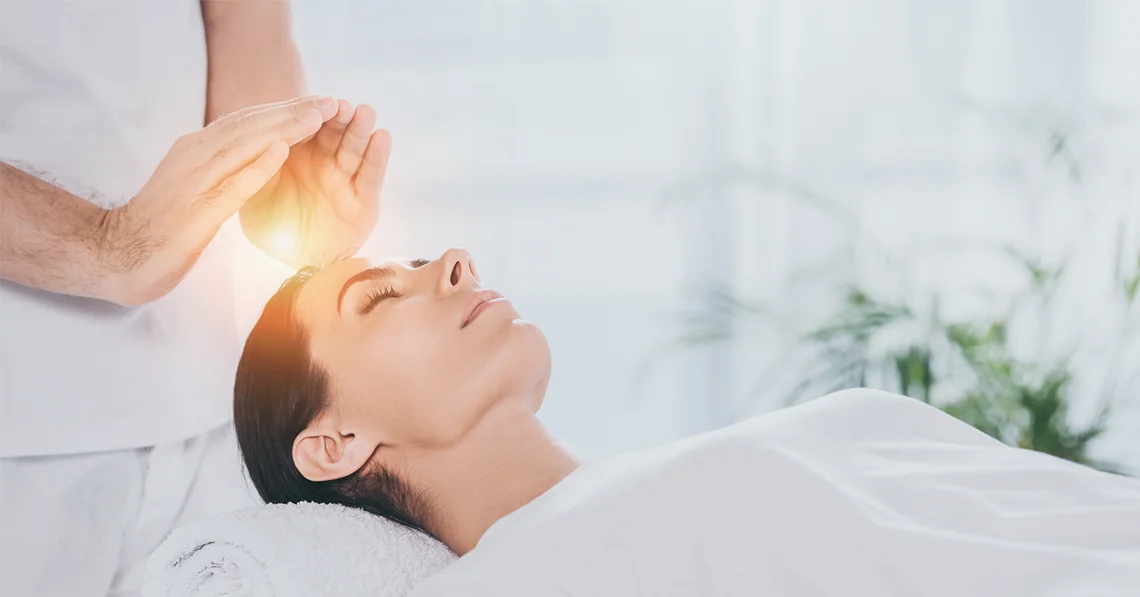
In a world increasingly drawn to holistic and alternative wellness practices, Reiki stands out as a deeply calming, non-invasive method of healing. Originating in Japan in the early 20th century, Reiki has grown in global popularity, offering physical, emotional and spiritual benefits to those who experience it. But what exactly is Reiki and how does it work?
At its core, Reiki is an energy healing technique. The word “Reiki” comes from the Japanese words “rei”, meaning “universal,” and “ki”, meaning “life energy.” This life energy also known as chi in Chinese traditions or prana in Indian systems, is believed to flow through all living things. When this energy is strong and balanced, we are more likely to be healthy and feel well. When it is low or blocked, we may be more vulnerable to illness or emotional distress.
Reiki practitioners are trained to channel this universal life energy through their hands to the recipient, with the intention of promoting healing, balance and relaxation. The practice is based on the idea that by directing this energy to where it is most needed, the body can activate its natural ability to heal itself.
Reiki was developed in the early 1920s by Mikao Usui, a Japanese Buddhist who reportedly experienced a spiritual awakening during a retreat on Mount Kurama. Following this event, he formulated a method for harnessing and directing healing energy, blending elements of ancient healing practices, meditation and Japanese spiritual philosophy.
After Usui’s death, Reiki was passed down through a lineage of teachers, with Hawayo Takata, a Japanese-American woman, playing a key role in bringing Reiki to the West in the mid-20th century. Today, Reiki is practiced in many forms around the world, with Usui Reiki being the most widely recognized lineage.

What Happens in a Reiki Session?
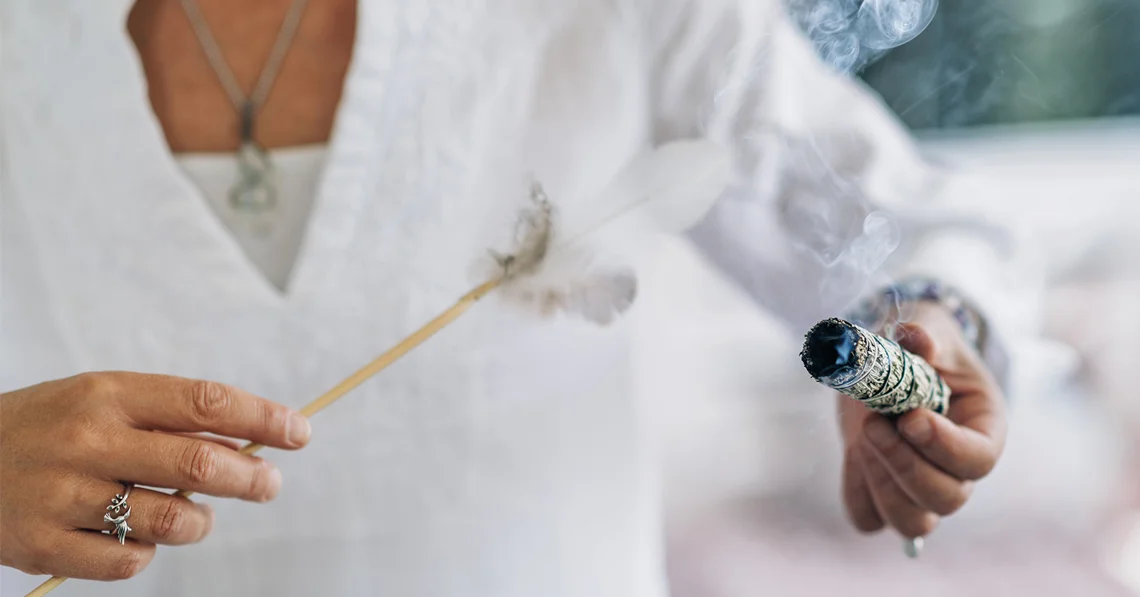
A typical Reiki session is peaceful and meditative. The recipient lies fully clothed on a massage table while the practitioner places their hands lightly on or just above the body in a series of hand positions, often starting at the head and working downward.
The practitioner does not manipulate the body or use pressure; instead, they act as a conduit for universal life energy. Many people report feeling warmth, tingling or deep relaxation during a session. Some even experience emotional releases or vivid imagery.
While results can vary, many people leave feeling refreshed, centred and calm.
Distance Reiki, also known as remote Reiki, is a form of energy healing performed when the recipient is not physically present with the practitioner. Instead of placing their hands directly on or above the person’s body, the practitioner sends Reiki energy across space and time, typically using a specific technique learned in Reiki Level II training.
This may sound abstract, but it’s rooted in the idea that energy is not limited by physical boundaries. Just as a phone call or a video chat allows people to connect across great distances, Distance Reiki operates on the belief that energy and intention can transcend physical space.
The experience is surprisingly similar to in-person Reiki, at least in terms of how it feels. A typical session includes:
People receiving Distance Reiki often report sensations such as:
Benefits of Reiki
While Reiki is not a substitute for medical treatment, many find it to be a powerful complementary practice. Some of the commonly reported benefits include:
Because it is gentle and non-invasive, Reiki is suitable for people of all ages and conditions. Hospitals and wellness centres around the world now incorporate Reiki as part of their integrative care programs.
The Science Behind Reiki
Sceptics often question how Reiki can work when it involves no physical intervention or medication. While the scientific understanding of Reiki is still evolving, research has shown that Reiki may help reduce stress, lower blood pressure and improve quality of life, effects that are measurable and meaningful, even if the exact mechanism isn’t fully understood.
Studies suggest that Reiki may activate the parasympathetic nervous system, which is responsible for the body’s “rest and digest” functions. This may explain why so many people feel profoundly relaxed and renewed after a session.
It’s important to note that the healing benefits of Reiki often depend on the openness and receptivity of the recipient. Like meditation, yoga or mindfulness practices, the effectiveness of Reiki is often enhanced by a person’s willingness to participate in their own healing journey.
In a fast-paced world filled with noise and stress, Reiki offers something rare: a quiet space for inner peace, stillness and healing. It doesn’t require belief in any specific religion or doctrine. Instead, it invites us to reconnect with our own energy and remember that much of our well-being begins from within.
Reiki is a powerful reminder that healing often begins with the simplest acts: intention, presence, and touch.
If your interested in trying a session you can book one of our services here.
You must be logged in to post a comment.

 Chakra Bracelet
Original price was: $22.22.$11.11Current price is: $11.11.
Chakra Bracelet
Original price was: $22.22.$11.11Current price is: $11.11. Key Ring Moon and Stars
Original price was: $18.18.$11.11Current price is: $11.11.
Key Ring Moon and Stars
Original price was: $18.18.$11.11Current price is: $11.11.