No products in the cart.

Spend $49.00 to get free shipping!
In the world of holistic wellness and energetic healing, the concept of chakras plays a central role. Rooted in ancient Indian traditions, chakras are believed to be spinning wheels or vortexes of energy that run along the spine, each correlating with different aspects of our physical, emotional, and spiritual wellbeing.
There are seven primary chakras and understanding the 7 Chakras can provide deep insights into how energy flows through your body and where you might need healing or balance. Whether you’re new to the concept or looking to deepen your understanding, this guide will walk you through each of the seven chakras, from the root to the crown.
1. Root Chakra – Muladhara
The RootChakra, or Muladhara, is your foundation. It governs your basic needs for survival, security, stability, and physical wellbeing. When this chakra is balanced, you feel grounded, safe, and connected to the earth. However, when blocked or underactive, you may experience fear, anxiety, or financial insecurity.
Physically, imbalances can manifest as issues in the legs, feet, lower back, or immune system. Grounding practices such as walking barefoot on the earth, eating root vegetables, or engaging in mindful breathing can help restore balance.
2. Sacral Chakra – Svadhisthana
The SacralChakra, or Svadhisthana, governs creativity, sexuality, pleasure, and emotions. It is the seat of your passion and capacity for joy. When this chakra is open, you feel emotionally connected, creatively inspired, and in touch with your sensuality.
A blocked sacral chakra might result in emotional instability, lack of desire, or creative blocks. Physical symptoms could include reproductive issues, urinary tract infections, or lower abdominal pain. To nurture this chakra, try dancing, swimming, creative activities, or gentle hip-opening yoga poses.
3. Solar Plexus Chakra – Manipura
Your SolarPlexusChakra, Manipura, is the source of personal power, confidence, and self-esteem. This is where your sense of identity and purpose resides. When in balance, you feel empowered, motivated, and self-assured.
An imbalanced Manipura may leave you feeling powerless, insecure, or out of control. Physically, it can relate to digestive issues, liver problems, or fatigue. Balancing this chakra can involve core-strengthening exercises, affirmations, and practising self-discipline and goal setting.
4. Heart Chakra – Anahata
The HeartChakra, or Anahata, is the bridge between the lower (physical) and upper (spiritual) chakras. It governs love, compassion, forgiveness, and relationships. When open and balanced, you’re able to give and receive love freely, both to yourself and others.
Signs of a blocked heart chakra include feelings of jealousy, bitterness, loneliness, or the inability to trust others. Physically, it may affect the heart, lungs, or circulation. To open this chakra, practise gratitude, engage in acts of kindness, and explore heart-opening yoga postures like the camel pose or cobra.
5. Throat Chakra – Vishuddha
Your ThroatChakra, Vishuddha, is all about communication and self-expression. It allows you to speak your truth with clarity and authenticity. A balanced throat chakra empowers you to listen actively and express yourself honestly.
If blocked, you may feel unheard, misunderstood, or unable to articulate your thoughts. It could also manifest physically as sore throats, thyroid issues, or jaw tension. Singing, chanting, journaling, and speaking your truth (even if it feels uncomfortable) can help open this chakra.
6. Third Eye Chakra – Ajna
The ThirdEyeChakra, or Ajna, is the centre of intuition, insight, and inner wisdom. It allows you to see beyond the physical and connect with your inner guidance. When this chakra is active, you experience mental clarity, strong intuition, and a deeper understanding of your life’s path.
An imbalanced third eye may lead to confusion, lack of direction, or difficulty trusting your inner voice. Physical symptoms could include headaches, eye problems, or sleep disturbances. Meditation, visualisation, and mindfulness are powerful tools for nurturing this chakra.
7. Crown Chakra – Sahasrara
The CrownChakra, or Sahasrara, is your connection to the divine, the universe, or higher consciousness. It represents spiritual awakening, enlightenment, and unity with all things. When this chakra is balanced, you feel a deep sense of peace, purpose, and connection to something greater than yourself.
When blocked, you might feel spiritually disconnected, cynical, or depressed. Although the crown chakra is more subtle and not associated with a specific organ, imbalances can manifest as a lack of direction or chronic fatigue. To activate the crown chakra, spend time in silence, meditate regularly, and explore spiritual texts or philosophies.
Why Chakra Balance Matters
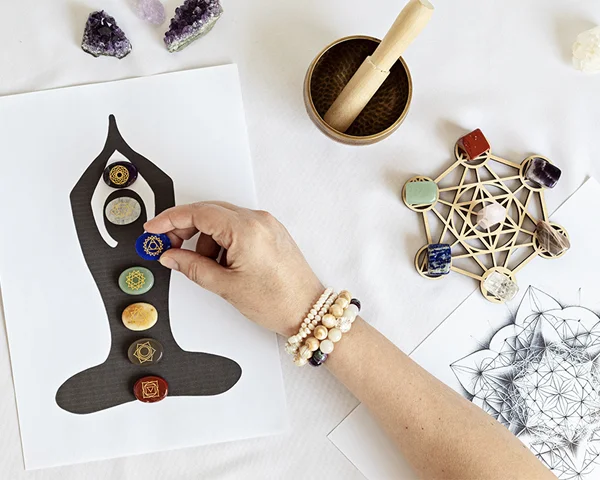
Each chakra works like a gear in a finely tuned machine. When one gear is off, it affects the whole system. Blockages or imbalances in the chakras can create disruptions in our emotional, physical, and spiritual lives. By understanding the 7 Chakras and working with them, you can support your overall wellbeing and deepen your connection to yourself and the world around you.
Signs your chakras may be imbalanced include:
How to Balance Your Chakras
There are many holistic practices that can support chakra alignment, including:
The seven chakras offer a powerful map for understanding the interplay between body, mind, and spirit. While they may be invisible to the naked eye, their effects are deeply felt. When your chakras are open and flowing freely, you’re more likely to experience vitality, joy, and peace.
Working with the chakras is not about perfection ~ it’s a lifelong journey of tuning in, listening, and gently adjusting. Whether through Reiki, meditation, movement, or simple awareness, every step you take towards balancing your energy is a step toward holistic wellness.
See our offerings here if you’re ready to experience Reiki Energy Healing to balance your chakras
Reiki Infused Chakra Bracelets.

 Key Ring Evil Eye
Original price was: $18.18.$11.11Current price is: $11.11.
Key Ring Evil Eye
Original price was: $18.18.$11.11Current price is: $11.11. Amethyst Bracelet Essential Oil Bundle
Original price was: $35.35.$17.22Current price is: $17.22.
Amethyst Bracelet Essential Oil Bundle
Original price was: $35.35.$17.22Current price is: $17.22.