No products in the cart.

Spend $49 to get free shipping!
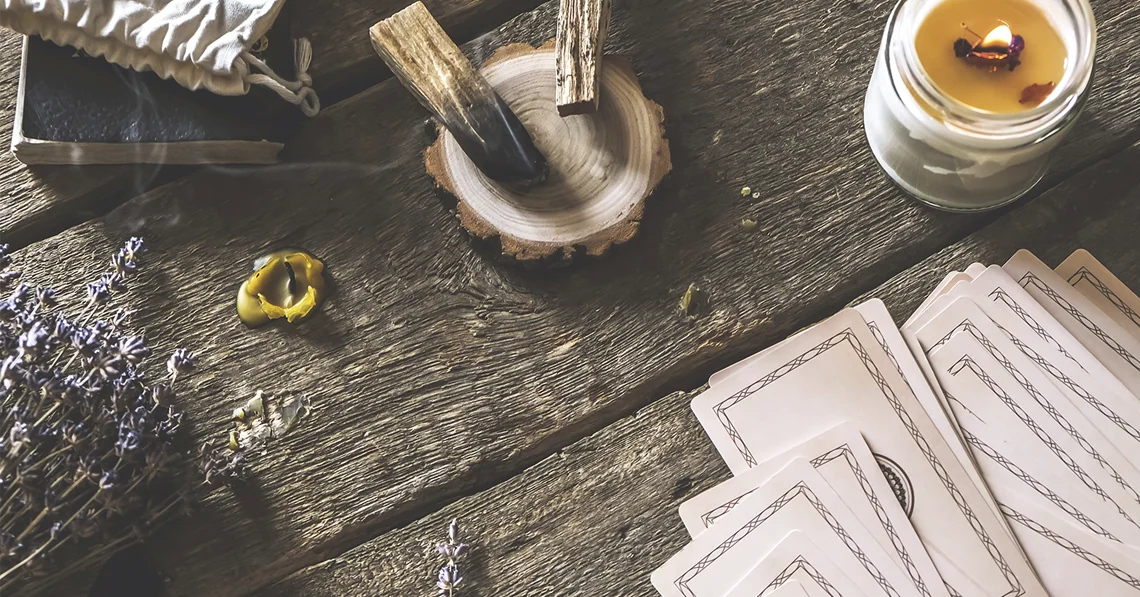
Tarot often evokes curiosity, wonder, and sometimes, a touch of scepticism. Whether you’ve seen tarot cards in movies, at markets, or perhaps even had a tarot reading yourself, there’s no denying that these illustrated decks have an air of mystery about them.
But behind the flickering candlelight and shuffling cards lies something quite simple and beautiful: tarot is a tool for self-reflection, clarity, and inner guidance. It’s not about predicting the future with absolute certainty — it’s about connecting with your intuition and gently exploring what’s going on beneath the surface.
Let’s take a moment to clear away some common misconceptions and explore what tarot really is — and how it might bring a little insight and magic into your life.
One of the biggest misunderstandings about tarot reading is the idea that it’s all about fortune-telling. While the cards can certainly point to possibilities, they don’t dictate your future or seal your fate.
Instead, tarot works by offering insight into your current energy, thoughts, patterns, and potential outcomes. Think of it like holding up a mirror — the cards reflect back to you what you may already know deep down but haven’t consciously acknowledged.
A skilled reader doesn’t claim to “see your future”; they help you tap into your own awareness and uncover what’s already present within or around you.
Another common myth is that only psychics can read tarot. While intuition does play a role, tarot is a tool that anyone can learn to use.
Each card in the deck has a rich blend of imagery, symbolism, and meaning. As you become familiar with them, you start to understand how they tell a story — one that relates to your experiences, emotions, and decisions.
In fact, many people use tarot simply as part of their journaling or mindfulness practice. You don’t need to “predict” anything — just pull a card and ask, “What do I need to be aware of today?” The response can be as personal and profound as you’re willing to let it be.
Some people shy away from tarot reading because of its portrayal in popular media — as something spooky, dramatic or even dangerous. In truth, tarot is none of these things.
There is no “dark magic” at play. Tarot has been used for centuries as a reflective and spiritual practice, often rooted in psychology, archetypes, and storytelling. While the imagery on some cards (like Death or The Tower) can feel intense, their meanings are not about doom — they speak of change, growth, and transformation.
Much like life, tarot acknowledges both the light and the shadow — and it honours the value of both.
At its core, tarot is a deck of 78 cards divided into two parts: the Major Arcana and the Minor Arcana.
Together, the cards create a symbolic language that speaks to universal human experiences — love, fear, choice, connection, and healing.
Why do people use tarot?
People turn to tarot reading for all kinds of reasons — not just when they’re facing a big decision or feeling stuck. Some use it to:
You don’t have to believe in anything specific to use tarot. You simply need an open heart, a curious mind, and a willingness to listen.
How does tarot complement Reiki or energy healing?
If you already receive Reiki or energy healing (or you’re curious about it), you might find tarot to be a beautiful companion to that journey. While Reiki works with subtle energy to support physical and emotional wellbeing, tarot offers mental and spiritual insight.
For example, after a Reiki session, pulling a tarot or oracle card can help anchor the energy and offer a message to integrate what’s shifted. Likewise, before a session, a card can reveal what might be ready for release or healing.
Both practices are gentle, intuitive, and affirming — and together, they can offer a truly holistic path to self-awareness.
How to get started with tarot
If you’re feeling drawn to explore tarot reading for yourself, here are a few beginner-friendly tips:
Most of all, approach tarot reading with a sense of play, presence, and compassion — just like you would a meditation, a mindful walk, or a quiet moment with yourself.
Tarot isn’t about predicting the future. It’s about coming home to yourself. It invites you to pause, reflect, and reconnect with your own inner knowing — something that’s always been there, waiting patiently beneath the noise of everyday life.
So, the next time you see a deck of tarot cards, take a moment to look past the myths. You might just discover a gentle guide, a mirror for the soul, and a reminder that you hold the answers within.
Please find my offerings for Tarot readings here.

 Key Ring Evil Eye
$18.18
Key Ring Evil Eye
$18.18 Amethyst Bracelet Essential Oil Bundle
Original price was: $35.35.$30.35Current price is: $30.35.
Amethyst Bracelet Essential Oil Bundle
Original price was: $35.35.$30.35Current price is: $30.35.